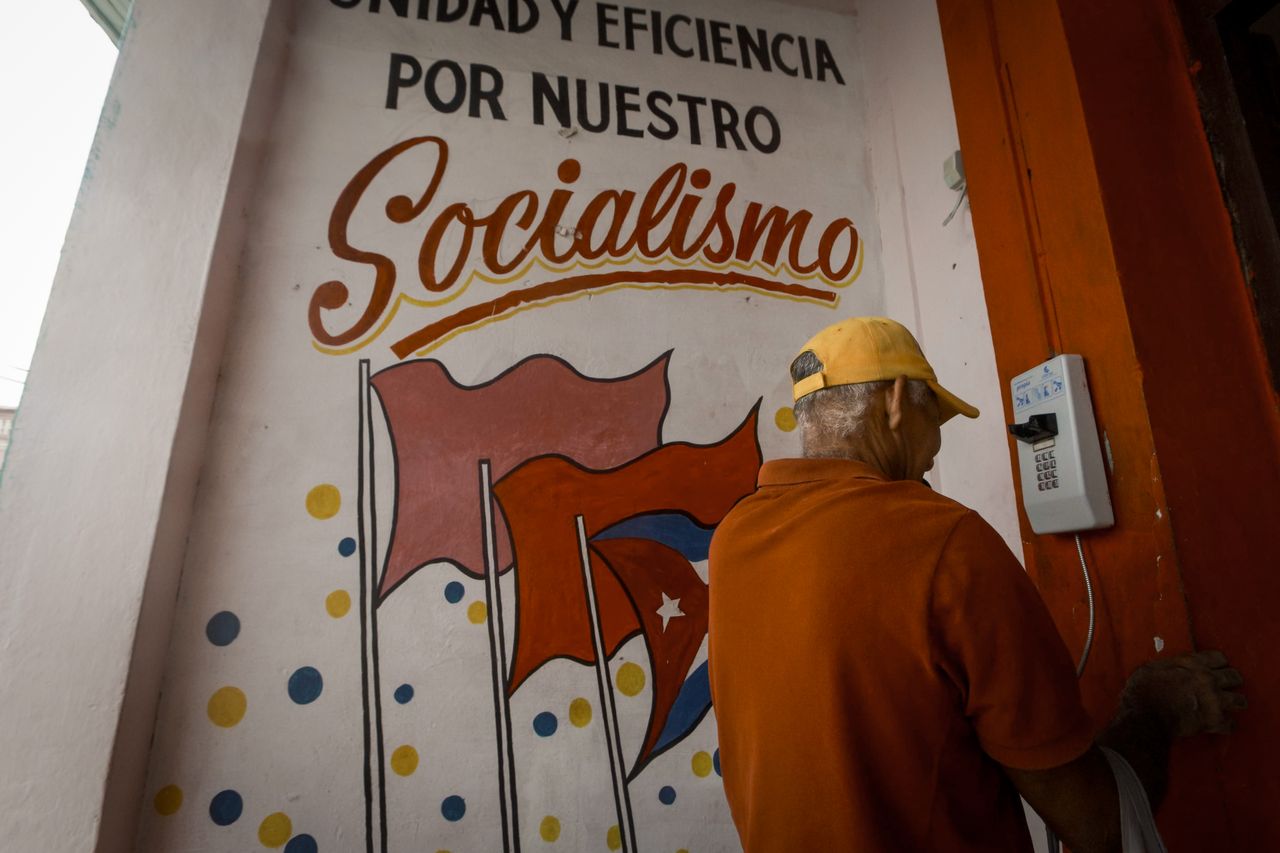
You’ve probably heard the term democratic socialism in political debates, but what does it actually mean?
At its core, democratic socialism combines democratic government with greater democratic or collective control over the economy. It is related to socialism and social democracy, but those terms are not interchangeable.
What Is Democratic Socialism?
Democratic socialism is the idea that democracy should apply not only to government, but also to important parts of economic life.
Democratic socialists generally want workers and communities to have more influence over how businesses and economic resources are owned and managed.
Key Features of Democratic Socialism
That can involve:
- Worker-owned cooperatives
- Public ownership of certain industries
- Strong labor unions
- Democratic workplace decision-making
- Universal public services
- Greater economic equality
There isn’t one single democratic socialist model. Some approaches still allow private businesses and markets, while others favor much more public or collective ownership.
Democratic Socialism vs. Capitalism
The main difference comes down to ownership and economic power.
Under capitalism, businesses and productive assets are primarily privately owned. Markets, competition, investment, and profit play major roles.
Democratic socialism questions whether private ownership should have such a dominant role and argues that workers and society should have more control over economic decisions.
That doesn’t necessarily mean eliminating markets. Some democratic socialist approaches support a combination of markets, public ownership, cooperatives, and democratic planning.
Democratic Socialism vs. Social Democracy
These terms are often confused.
What Is Social Democracy?
Social democracy generally aims to regulate capitalism rather than replace private ownership altogether.
Social democratic policies can include:
- Universal healthcare
- Public education
- Pensions
- Unemployment benefits
- Progressive taxation
- Strong worker protections
These policies can exist while maintaining private businesses and competitive markets.
How Is Democratic Socialism Different?
Democratic socialism can go further by seeking changes to who owns and controls businesses and productive resources.
Does Democratic Socialism Mean the Government Owns Everything?
No.
This is one of the biggest misconceptions about the idea. Democratic socialism doesn’t automatically mean the government owns every business.
A democratic socialist economy could include:
- Private businesses
- Worker cooperatives
- Publicly owned companies
- Markets
All of these could potentially exist at the same time.
The exact combination depends on the particular democratic socialist approach.
Why Is Democratic Socialism Debated?
Supporters often emphasize economic equality, worker power, public services, and democratic control.
Critics raise questions about economic efficiency, investment incentives, bureaucracy, and the amount of power given to public institutions.
The debate ultimately comes down to different views about how an economy should balance freedom, equality, markets, ownership, and democratic participation.
The Bottom Line
In simple terms, democratic socialism seeks to extend democratic principles into the economy.
It generally supports greater worker or social control over productive resources while emphasizing political democracy and individual participation.
It isn’t exactly the same as capitalism, socialism, or social democracy. The easiest way to understand it is to focus on three ideas:
